PDF vs. Interactive Supplement Schedules: Which Is Better?
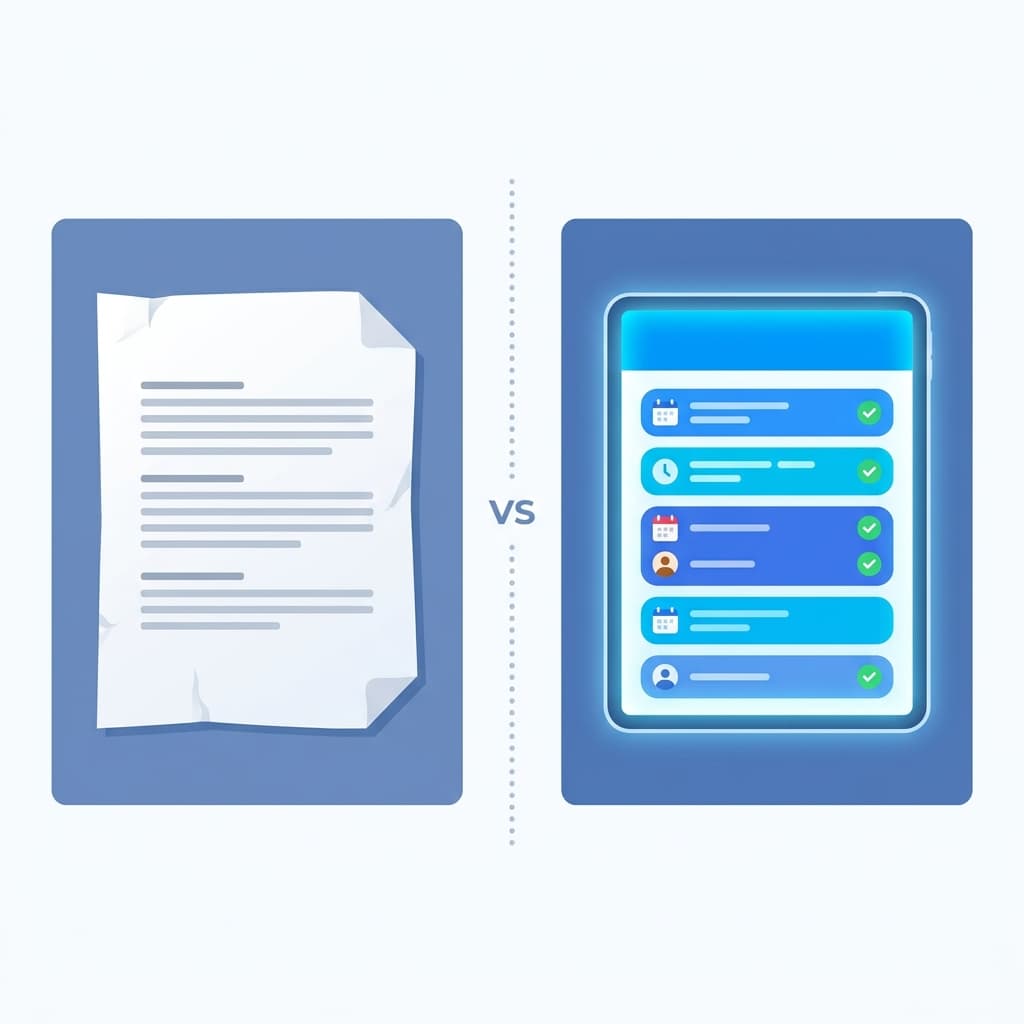
Interactive schedules are better than PDFs for the majority of supplement brands. PDFs get lost in inboxes, can't be updated after delivery, and offer no way to track whether customers are actually using them. Interactive schedules — accessible via a link, always up to date, and viewable on any device — solve all three problems while creating a more professional brand experience. That said, PDFs still have a narrow set of use cases. Here's how to think about the choice.
What PDF schedules do well
PDFs have been the default for supplement schedules because they're simple to create and universally compatible. Any brand with Canva, Google Docs, or a basic design tool can produce a branded PDF in an afternoon. They work offline, they're easy to print, and some customers — particularly older demographics — genuinely prefer a physical document they can stick on the fridge. For practitioners working with a small number of private clients, PDFs can work fine. If you're creating 10-20 custom schedules per month, the manual effort is manageable. You can personalise each one, email it directly, and follow up individually. The problems start when you try to scale beyond that — or when you care about whether the schedule is actually being used.
Where PDFs fall short
The fundamental problem with PDFs is that they're static and forgettable. Once you email a PDF, you lose all control and visibility. You don't know if the customer opened it, saved it, or deleted it. You can't update it if you change a product formulation or adjust a dosing recommendation. If the customer's protocol changes — say they add a new supplement to their stack — the old PDF is now outdated and potentially giving conflicting advice. The accessibility issue is equally significant. Customers need their dosing schedule most at the moment they're standing in the kitchen deciding what to take. At that moment, a PDF buried in an email from three weeks ago might as well not exist. They'd have to search their inbox, find the right email, download the attachment, and open it. That's four steps of friction between the customer and the information they need. Most people will just wing it — or skip the dose entirely. There's also the maintenance burden on the brand side. If you're managing hundreds of customers, each with a unique PDF, updating protocols means regenerating and resending documents manually. Products change, science evolves, and dosing recommendations get refined over time. PDFs can't keep up with that cadence without significant manual effort.
The case for interactive, always-accessible schedules
Interactive schedules solve the core problems PDFs create. A customer receives a link — in their order confirmation, their welcome email, or on their account page — and that link always shows the most current version of their schedule. It loads on their phone in seconds. No downloads, no searching through email, no wondering if they have the latest version. From the brand side, the benefits compound. You can update a product's timing recommendations once and every schedule that includes that product reflects the change automatically. You can track engagement — seeing whether customers are actually accessing their schedules and when. You can embed the schedule into your existing customer journey without additional tools or manual processes. The brand perception difference is also real. A clean, interactive schedule that loads instantly on a customer's phone communicates professionalism and expertise. A PDF attachment communicates "we put something together." In a market where trust and expertise are the primary differentiators between otherwise similar supplements, that perception gap matters more than most brands realise. Interactive schedules also open the door to features that PDFs simply can't support: the ability to add or remove products and have the schedule update in real time, mobile-optimised layouts that display cleanly on any device, and integration with the brand's e-commerce platform for seamless delivery.
Making the switch: what to consider
If you're currently using PDFs, the switch to interactive schedules doesn't need to be abrupt. Start by identifying your highest-volume or highest-value customer segments and migrating them first. Most brands find that the time saved on manual PDF creation alone justifies the transition within the first month. Here's a practical framework for evaluating the switch: If you serve fewer than 20 clients and rarely update protocols, PDFs may still work for you — but you're leaving engagement data and brand perception on the table. If you serve 20-200 customers, interactive schedules will save you meaningful time and improve customer outcomes. The ROI is clear at this stage. If you serve 200+ customers, PDFs are actively costing you — in manual labour, in customer confusion, and in missed retention opportunities. Interactive delivery is essential. When choosing a tool, prioritise three things: ease of schedule creation (you shouldn't need a designer), clean customer-facing presentation (it should feel like part of your brand), and the ability to update centrally (change once, update everywhere). The goal is a system where creating and delivering a professional dosing schedule takes minutes, not hours.
PDFs served the supplement industry well when the alternative was nothing at all. But customer expectations have moved on, and the limitations of static documents — inaccessible, outdated, untrackable — are now costing brands real revenue in the form of lost adherence and lower retention. Interactive schedules are the clear upgrade for any brand serious about customer outcomes. Plandule was built specifically for this use case — creating branded, interactive dosing schedules that your customers can access anytime, from any device, with zero friction.